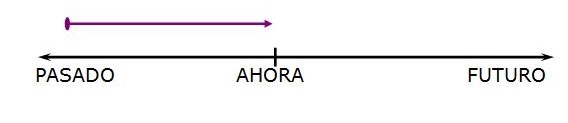
Make sentences in present continuous:
1. (we / go to the cinema later)
__________________________________________________________________
2. (they / work now)
__________________________________________________________________
3. (you / not / walk)
__________________________________________________________________
4. (they / learn new things?)
__________________________________________________________________
5. (when / he / start work?)
__________________________________________________________________
6. (why / I / stay at home?)
__________________________________________________________________
7. (it / get dark?)
__________________________________________________________________
8. (we / not / win)
__________________________________________________________________
9. (they / not / bring a cake)
__________________________________________________________________
10. (the dog / not / play with a ball)
__________________________________________________________________
11. (why / it / rain now?)
__________________________________________________________________
12. (how / she / travel?)
__________________________________________________________________
13. (where / you / work?)
__________________________________________________________________
14. (what / we / watch?)
__________________________________________________________________
15. (you / meet your friend at four)
__________________________________________________________________
16. (I / take too much cake?)
__________________________________________________________________
17. (you / think?)
__________________________________________________________________
18. (we / study this evening)
__________________________________________________________________
19. (Lucy and Steve / play the piano)
__________________________________________________________________
20. (Sarah / not / tell a story)
__________________________________________________________________
..............................................................................................................................................................
Present Continuous Positive and Negative Form:
Make the present continuous:
1. (he / walk to school now)
He’s walking to school now.
2. (I / study at the moment)
_______________________________________________________________
3. (I / not / sleep)
_______________________________________________________________
4. (you / play badminton tonight)
_______________________________________________________________
5. (we / watch TV)
_______________________________________________________________
6. (she / not / work in Spain)
_______________________________________________________________
7. (he / not / wait for the bus)
_______________________________________________________________
8. (they / read)
_______________________________________________________________
9. (we / not / go to the cinema tonight)
_______________________________________________________________
10. (you / not / read the newspaper)
_______________________________________________________________
..............................................................................................................................................................
Make present continuous questions (yes / no and ‘wh’):
1. (you / eat / cake?)
__________________________________________________________________
2. (what time / you / go to the cinema?)
__________________________________________________________________
3. (why / you / study?)
__________________________________________________________________
4. (when / you / leave?)
__________________________________________________________________
5. (you / smoke?)
__________________________________________________________________
6. (he / play / tennis later?)
__________________________________________________________________
7. (you / go / shopping at the weekend?)
__________________________________________________________________
8. (you / drink / wine)
__________________________________________________________________
9. (what / you / drink now?)
__________________________________________________________________
10. (what / you / think?)
__________________________________________________________________
11. (how long / you / stay in Paris?)
__________________________________________________________________
12. (you / drink / tea ?)
__________________________________________________________________
13. (where / you / stay?)
__________________________________________________________________
14. (why / you / watch TV now?)
__________________________________________________________________
15. (she / work in a bar?)
__________________________________________________________________
16. (what / he / do?)
__________________________________________________________________
17. (why / she / call her friend now?)
__________________________________________________________________
18. (I / lose weight?)
__________________________________________________________________
19. (we / work tomorrow?)
__________________________________________________________________
20. (when / you / arrive?)
__________________________________________________________________
..............................................................................................................................................................
Make the present continuous:
1. (I / be silly? )
__________________________________________________________________
2. (they / not / read)
__________________________________________________________________
3. (I / cook tonight)
__________________________________________________________________
4. (he / see the doctor tomorrow? )
__________________________________________________________________
5. (you / eat chocolate? )
__________________________________________________________________
6. (what / you / do? )
__________________________________________________________________
7. (we / make a mistake ? )
__________________________________________________________________
8. (you / come tomorrow)
__________________________________________________________________
9. (it / snow)
__________________________________________________________________
10. (John/ sleep at the moment)
__________________________________________________________________
..............................................................................................................................................................
Read the 3 stories and learn the new vocabulary:
Story 1: Who are they? Where are they? What are they doing?
Now Janet is in her house. She is sitting on a wooden chair. She is holding a coat. She is fixing it.
James is Janet's husband. He is sitting in front of her. He is fixing clothes too.
Elizabeth is sitting next to James. She is Janet's sister. Right now she is helping Janet and James. They are working together. They are fixing clothes.
At this moment a man is coming in. He is wearing dark clothes. He is carrying a pile of clothes. They are all working very hard.
...................................................................................................................................................................
Story 2: Who are they? Where are they? What are they doing?
Right now, it is Monday morning. Mike and Tina are at home. They are sitting at a table. They are eating breakfast.
At this moment, Tina is drinking coffee. She is eating a pastry. She is sitting across the table from Mike. She is talking to Mike.
Mike is Tina's husband. He is sitting at the table with Tina. He is also drinking coffee. Mike is listening to Tina.
After breakfast, Mike and Tina are leaving for work. They work in the city. They are riding the bus to work.
...................................................................................................................................................................
Story 3: Who are they? Where are they? What are they doing?
Now the children are at school. Amy is sewing. She is practicing. She is sitting on a bench. She is sitting near Timmy.
Timmy is at school too. Timmy is studying. He is sitting behind his desk. He wishes he could play with the other children.
John and Susan are also at school. They are playing outside. They are picking flowers for their teacher. John is carrying his hat. Susan is wearing a bonnet.
At this moment, Sarah is walking by the door. She is helping the teacher. She is carrying textbooks to the shelf.
Timmy is at school too. Timmy is studying. He is sitting behind his desk. He wishes he could play with the other children.
John and Susan are also at school. They are playing outside. They are picking flowers for their teacher. John is carrying his hat. Susan is wearing a bonnet.
At this moment, Sarah is walking by the door. She is helping the teacher. She is carrying textbooks to the shelf.
...................................................................................................................................................................
Story 4: Who are they? Where are they? What are they doing?
Today, Abby is visiting her grandparents. She loves her grandparents. At this moment, she is sitting on her grandfather's knee. She is listening to a story. She is smiling. She loves her grandfather's stories.
Jacob is Abby's grandfather. He loves his granddaughter. Right now, he is telling her a story. He is holding her on his knee. He is holding her hands. They are sitting in the living room.
Sarah is Abby's grandmother. At this moment, Sarah is standing in the kitchen. She is baking cookies for Jacob and Abby. She is also listening to Jacob's story.
..................................................................................................................................................................
Jacob is Abby's grandfather. He loves his granddaughter. Right now, he is telling her a story. He is holding her on his knee. He is holding her hands. They are sitting in the living room.
Sarah is Abby's grandmother. At this moment, Sarah is standing in the kitchen. She is baking cookies for Jacob and Abby. She is also listening to Jacob's story.
..................................................................................................................................................................


 Recientemente puede significar hace solo unos momentos o en un pasado muy reciente.